
As America marks the 250th anniversary of the Revolutionary War, history comes alive across the Mid-Atlantic, including right here in Howard County, Maryland. Conveniently located between Baltimore and Washington, D.C., this scenic region was once home to tobacco ports, colonial industry, and early acts of protest. Today, you can explore the legacy of those formative years at local landmarks and historical markers that bring the Revolutionary era into focus. Be sure to watch for special events celebrating America's 250th in Howard County on our event calendar!
You don’t have to travel far to walk in the footsteps of patriots and founders. Alongside historical markers, you’ll also find modern-day destinations that echo the past, like Elkridge Furnace Inn, a fine-dining experience in a restored 18th-century furnace and tavern just steps from where Lafayette’s troops once passed through. Whether you're a lifelong history buff or newly curious about America's colonial roots, Howard County offers stories worth uncovering during this milestone year.
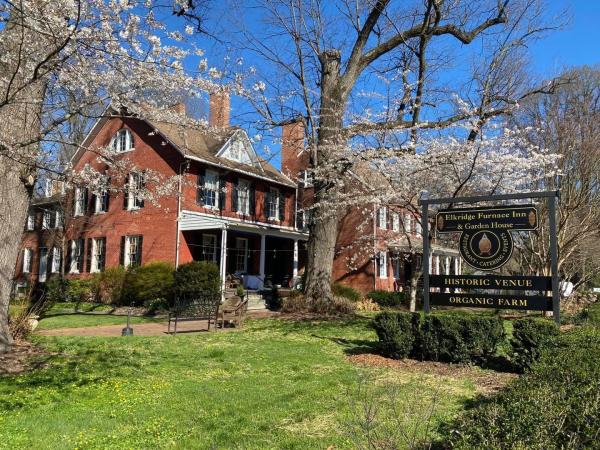
Where Lafayette Passed Through: Elk Ridge Landing
Once a bustling colonial port on the Patapsco River, Elk Ridge Landing was a key point for tobacco shipments and revolutionary movement. In April of 1781, Marquis de Lafayette's troops camped here on their southern march to Yorktown, where they would ultimately help secure American victory. The area was also the site of early colonial protest in 1765 as tensions rose over the Stamp Act. Today, a historical marker along U.S. Route 1 commemorates Elk Ridge Landing’s role in Revolutionary-era events.
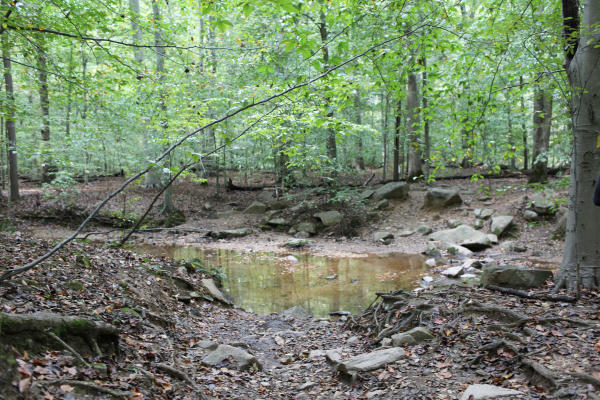
Patapsco Valley State Park, former location of Elk Ridge Landing
Spurrier’s Tavern: The Road to Revolution
Although the tavern itself no longer stands, the site of Spurrier’s Tavern remains an important part of Howard County’s Revolutionary-era landscape. Located off of what is now U.S. Route 1, and marked today with signage, this colonial stopover served travelers and messengers along the busy road between Baltimore and Washington from 1771 to 1835. It was frequented by George Washington during his presidency, making it a notable waypoint in early American history. In his diary on July 18, 1795, Washington wrote: “Dined and lodged at Spurrier’s where my sick horse died.”
Ellicott’s Upper Mills: The Mills Marylanders Relied On
As the colonies prepared for revolution, industry and agriculture played a vital supporting role. In 1775, the same year as Lexington and Concord, Joseph Ellicott established Ellicott’s Upper Mills along the Patapsco River, near modern-day Ellicott City. These mills produced flour that helped feed early Marylanders while on the brink of independence.
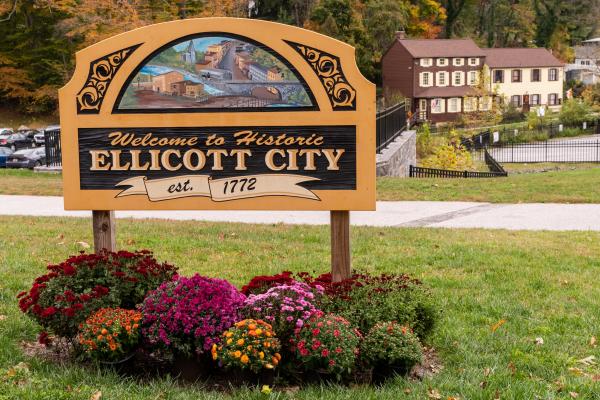
Today, a historical marker placed by Carter Braxton Chapter of the Daughters of the American Revolution, commemorates the site. Although much of the early mill infrastructure is gone, the story lives on in historical Ellicott City, where shops, boutiques, and walkable streets reflect the town’s 18th century roots.
Retracing Revolutionary Footsteps in Howard County
As the United States reflects on 250 years of independence, Howard County offers a unique opportunity to explore the stories behind the struggle. From Lafayette’s encampment at Elk Ridge Landing to the mills that helped fuel colonial Maryland, these quiet landmarks are filled with echoes of the past. Whether you’re tracing George Washington’s footsteps or dining in a centuries-old tavern reborn as a modern restaurant, there are countless ways to engage with history right here in central Maryland.
